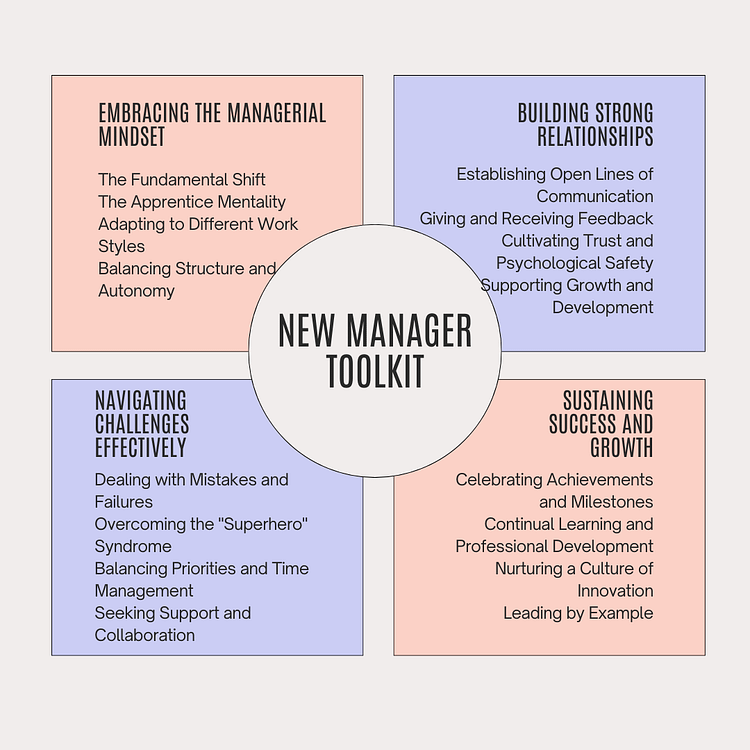
Being promoted to a managerial position is an exciting milestone in one’s career. It signifies a new level of responsibility and the opportunity to lead a team towards success. However, transitioning into a management role can also be overwhelming, especially for first-time managers. To navigate this new terrain effectively, it is crucial to develop the necessary skills and adopt the right mindset. In this short guide, we will explore the key insights and expert advice from various reputable sources to help new managers succeed in their roles.
Embracing the Managerial Mindset
The Fundamental Shift
Becoming a manager requires a fundamental shift in mindset. It is essential to recognize that being a manager is not just an elevated version of being an individual contributor. As a new manager, you are no longer solely responsible for your own work; your success now depends on the work delivered by the people you lead. This shift needs a new set of skills and a different approach to work.

The Apprentice Mentality
Approach your new role as an apprentice. Recognize that managing a team is a skill that needs to be developed and honed over time. Just as you cannot wake up one day and play a concerto on the piano without prior practice, you cannot expect to become an exceptional manager without investing time and effort into learning the craft. Embrace this learning journey and commit to continuous improvement.
Adapting to Different Work Styles
Each team member brings a unique work style to the table. As a manager, it is crucial to adapt your own work style to accommodate the diverse needs and preferences of your team. Recognize that different does not mean bad or wrong; it simply means approaching work from a different perspective. By understanding and respecting these differences, you can create an environment where everyone can thrive and contribute their best.
Balancing Structure and Autonomy
While providing structure and guidance is essential, be mindful not to micromanage your team. Effective managers lead through influence rather than control. Trust your team members to take ownership of their work and make decisions within their areas of responsibility. Encourage autonomy while setting clear expectations and providing the necessary support and resources for success.
Building Strong Relationships
Establishing Open Lines of Communication
Open and transparent communication is the foundation of a healthy manager-employee relationship. Schedule regular one-on-one meetings with each team member to provide updates, address concerns, and offer guidance. These meetings should be consistent, frequent, and focused on the individual’s growth and development. Actively listen to your team members, assume positive intent, and provide the support they need to excel.
Giving and Receiving Feedback
Feedback is a powerful tool for growth and improvement. As a manager, your role is to provide both positive and constructive feedback to your team members. When delivering feedback, focus on specific behaviors and their impact on performance or outcomes. Avoid commenting on emotions and instead emphasize desired behaviors and expectations. Remember, positive feedback is more motivating than criticism, so strive to recognize and acknowledge your team’s achievements regularly.
Cultivating Trust and Psychological Safety
Trust is the bedrock of any successful team. Create an environment of trust by fostering psychological safety. Encourage open dialogue, value diverse perspectives, and demonstrate vulnerability as a leader. When team members feel safe to express their ideas, concerns, and mistakes without fear of judgment or retribution, they are more likely to take risks, collaborate effectively, and contribute to the team’s success.
Supporting Growth and Development
Invest in the growth and development of your team members. Identify their strengths and areas of improvement, and provide opportunities for them to expand their skills and knowledge. Offer mentorship, training programs, and challenging assignments that align with their career aspirations. By prioritizing their professional growth, you not only empower your team members but also foster loyalty and engagement.
Navigating Challenges Effectively
Dealing with Mistakes and Failures
Mistakes and failures are inevitable, but how you handle them as a manager is crucial. Embrace a growth mindset and encourage your team to view mistakes as learning opportunities. Take a systems approach when addressing problems, focusing on understanding the underlying causes rather than blaming individuals. Foster a culture of accountability and continuous improvement, where failures are seen as stepping stones to success.
Overcoming the “Superhero” Syndrome
As a new manager, it can be tempting to take on all the responsibilities and solve every problem yourself. However, this approach is neither sustainable nor effective. Learn to delegate tasks and empower your team members to take ownership of their work. By distributing responsibilities, you not only free up your time for strategic decision-making but also foster a sense of ownership and autonomy among your team.
Balancing Priorities and Time Management
Managing your time effectively is crucial as a manager. Prioritize tasks based on urgency and importance, delegate when necessary, and set realistic expectations with stakeholders. Avoid the trap of busyness without productivity by focusing on high-impact activities that align with your team’s goals. Embrace productivity tools and techniques to streamline your workflow and maximize your effectiveness.
Seeking Support and Collaboration
Remember, you don’t have to navigate the challenges of management alone. It is okay to ask for help and seek support from your superiors, mentors, or fellow managers. Reach out to others who have experienced similar situations and learn from their insights. Collaboration and learning from others’ experiences can expedite your growth as a manager and help you overcome obstacles more effectively.
Sustaining Success and Growth
Celebrating Achievements and Milestones
Recognize and celebrate the achievements of your team. Acknowledge their hard work, dedication, and contributions. Celebrations create a positive and motivating work environment, fostering a sense of pride and camaraderie among team members. Whether it’s a small win or a significant milestone, take the time to express gratitude and celebrate the collective success.
Continual Learning and Professional Development
The journey as a manager is a continuous learning process. Stay updated with industry trends, best practices, and leadership theories. Engage in professional development opportunities, such as workshops, conferences, or online courses, to enhance your managerial skills. Encourage your team members to engage in continuous learning as well, fostering a culture of growth and improvement within the team.
Nurturing a Culture of Innovation
As a manager, inspire and encourage your team members to think creatively and embrace innovation. Create an environment where ideas are welcomed, and experimentation is encouraged. Foster a culture of psychological safety, where individuals feel comfortable taking risks and challenging the status quo. By nurturing a culture of innovation, you can drive continuous improvement and stay ahead in an ever-evolving business landscape.
Leading by Example
As a manager, your behavior and actions set the tone for the entire team. Lead by example, demonstrating the values and behaviors you expect from your team members. Practice open communication, collaboration, and accountability. Show empathy and respect towards others, fostering a positive and inclusive work environment. Your leadership style will influence the team’s morale, engagement, and ultimately, their success.
Becoming a successful manager requires continuous learning, adaptability, and a commitment to personal growth. By embracing the right mindset, building strong relationships, navigating challenges effectively, and sustaining success, new managers can thrive in their roles and lead their teams towards excellence. Remember, leadership is a journey, and with dedication and perseverance, you can become an exceptional manager who inspires and empowers others to reach their full potential.



 RO
RO  EN
EN